
When patching stops working, replace the line.
Whole-Home Repiping in Palm Springs
One leak is a repair. Three leaks in a year is a failing plumbing system. Palm Springs Leak Pros replaces worn-out galvanized, polybutylene, and copper lines — by rerouting around the slab or repiping the whole home — so the leaks stop for good, from independent local providers.
Live dispatcherUpfront optionsLocal providers
What's included
What Whole-Home Repiping Includes
Our whole-home repiping service covers the full decision, not just the pipe: assessment, reroute-versus-repipe comparison, material options, and a written quote and timeline.
Full Plumbing Assessment
Local providers test pressure, inspect visible lines, and review your leak history to map which lines are failing and which are still sound.
Reroute vs Repipe Comparison
You get both options priced side by side — rerouting the worst lines around the slab, or replacing the whole system at once.
Material Options
Copper and modern PEX-style piping, explained plainly with the trade-offs for Palm Springs hard water and desert heat.
Written Quote and Timeline
The full scope, the price, and the day-by-day plan in writing before any work begins, including how water shutoffs are scheduled.
Service overview
Understanding Whole-Home Repiping in Palm Springs
Palm Springs homes built from the 1950s through the 1980s often still run on galvanized steel or early copper lines, and the valley’s hard water and soil movement wear them out from the inside.
Galvanized pipe corrodes from the inside, narrowing until pressure drops and rust shows in the water. Copper fares better, but hard water and aggressive soil chemistry cause pinhole leaks — small holes that spray inside walls and under slabs, often found only after the damage is done. Our guide to pinhole leaks and hard water in copper pipes explains why they keep appearing in the same homes. Polybutylene, used in some later builds, becomes brittle with age and fails at fittings. When the same house needs a third repair, the honest question is whether another patch is money well spent.
That is where reroute and repipe differ. A reroute abandons the failing line — usually the one under the slab — and runs a new line overhead through walls and attic, leaving the old pipe in place. A whole-home repipe replaces the system: new lines to every fixture, sized and routed for the house as it is now. Our guide to slab leak repair reroute vs spot repair walks through the same choice for slab leaks.
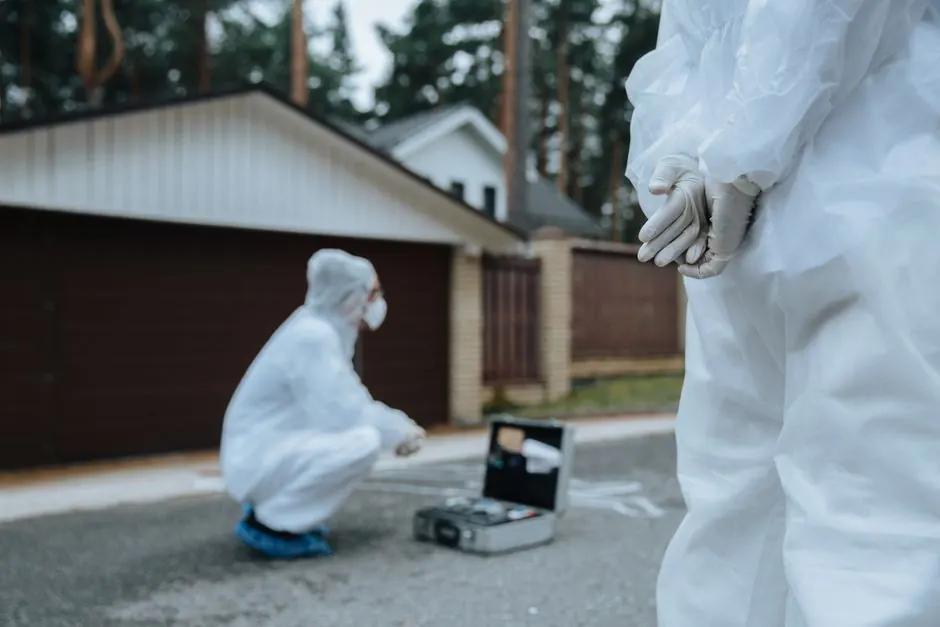
How local providers workLocal providers verify the cause, compare realistic options, and confirm the repair before local providers leave.
The service timeline
What to Expect During Whole-Home Repiping
The process flexes to the condition, but these checkpoints keep decisions clear.
Assessment Visit
Local providers test pressure, inspect the lines, and review your leak history to map the system and find the lines that are actually failing.
Options and Written Quote
You get the reroute and repipe options priced side by side, with materials, timeline, and water shutoff plan in writing.
Planning and Access
We agree the pipe routes, the access points, and the schedule, so you know which rooms are affected on which days.
Installation
New lines are run to every fixture, the old lines are abandoned or removed as agreed, and each section is pressure-tested as it goes in.
Final Test and Walkthrough
The whole system is pressure-tested, every fixture is checked for flow and leaks, and local providers walk the house with you before sign-off.
Tools & methods
Tools and Methods for Whole-Home Repiping
Purpose-built equipment, used by trained technicians, so the job is done accurately the first time.
Pressure Testing Equipment
Measures system pressure and isolates failing branches, showing which lines have narrowed or are leaking.
Acoustic Listening Equipment
Finds pinhole leaks in walls and under slabs, mapping the failures before the repipe plan is drawn.
Thermal Imaging Camera
Shows hot-water line routes and leaks behind walls, so new routes are planned around the real layout.
Video Camera Inspection
Checks drain and sewer lines while the water system is being replaced, so no second problem is missed.
Use cases
When to Use Whole-Home Repiping Services
These examples show how the service framework adapts rather than forcing every call through one repair.
Galvanized Lines With No Pressure
A Vista Las Palmas home had weak pressure and rust-colored water at every tap. → The galvanized lines had corroded nearly shut inside. Repiping restored full pressure and clear water.
A Reroute Instead of a Second Slab Cut
A Palm Desert owner faced a second slab leak in the same line. → A reroute ran the new line overhead through the attic, leaving the slab untouched and the problem unable to repeat.
Problems local providers solve
Problems Solved by Whole-Home Repiping
Recurring leaks, low pressure, and discolored water are signs the plumbing system itself is failing — not signs of one bad pipe.
Recurring pinhole leaks
One pinhole leak is a repair; a pattern of them means the copper is failing throughout. Repiping replaces the system instead of chasing the next hole.
Low pressure and rusty water
Galvanized pipe corrodes from the inside, narrowing the line and putting rust in the water. New lines restore flow and clarity.
Another slab leak in the same line
Cutting the slab twice for the same line is money spent on the same problem. A reroute or repipe moves the water out of the slab for good.
Early warning signs
Signs Your Home Needs Repiping in Palm Springs
Repiping is for homes where the pipes themselves are the problem — these signs say the system is failing, not just one joint.
Repeat leaks
One pinhole leak is a repair; a pattern of them means the copper is failing throughout.
Discolored or rusty water
Galvanized pipe corrodes from the inside, narrowing the line and putting rust in the water.
Low water pressure
Corrosion narrowing the line steals pressure from every fixture at once. New lines restore flow and clarity.
Pinhole leaks
Small pinhole leaks that keep appearing in different spots are a sign the pipe walls are thinning throughout the system.
Old galvanized or polybutylene pipes
Homes still running on galvanized or polybutylene pipe are living on borrowed time. Repiping replaces the system instead of chasing the next hole.
If you notice any of these signs, call (760) 254-9953 — early detection keeps a small leak from becoming a bigger repair.
Pricing process
Whole-Home Repiping Pricing in Palm Springs
$4,000 - $10,000 whole-home repipe
Spot Repair
A single leak repaired through the slab typically runs $500–$4,000, depending on access and the pipe.
Pipe Rerouting
Rerouting a failing line around the slab typically runs $2,000–$4,500, depending on length and access.
Whole-Home Repipe
A full repipe typically runs $4,000–$10,000, depending on the size of the home, the number of fixtures, and the material.
Spot repair through the slab typically runs $500–$4,000, pipe rerouting $2,000–$4,500, and a whole-home repipe $4,000–$10,000. Confirm your exact price before any work begins — every option is quoted in writing after the assessment, with no work starting until you approve it.
When does a home need repiping instead of another repair?
When leaks keep appearing in different places, pressure keeps dropping, or the water runs discolored — the system itself is failing, not one pipe. If the same line has been repaired twice, or the home has galvanized or polybutylene lines at the end of their life, repiping costs less over time than repeated repairs.
What is the difference between a reroute and a repipe?
A reroute abandons one failing line — usually the line under the slab — and runs a new line overhead through walls and attic, leaving the old pipe in place. A whole-home repipe replaces the entire water system, with new lines to every fixture. Rerouting is faster and cheaper when only one or two lines are failing; repiping is the answer when the system is failing throughout.
What pipe material is used for a repipe?
Copper and modern PEX-style piping are the usual choices. Copper is durable and familiar; PEX-style piping resists scale and handles hard water well. Local providers explain both, with the trade-offs for Palm Springs hard water and desert heat, and you choose.
How much does whole-home repiping cost in Palm Springs?
A spot repair through the slab typically runs $500–$4,000, pipe rerouting $2,000–$4,500, and a whole-home repipe $4,000–$10,000, depending on the home’s size and the material. Confirm your exact price before any work begins — every option is quoted in writing after the assessment.
Related services
Related Services
Pipe Leak Repair
Pipe leak repair fixes the leaks local providers find, from pinhole leaks in copper to cracked lines under the slab.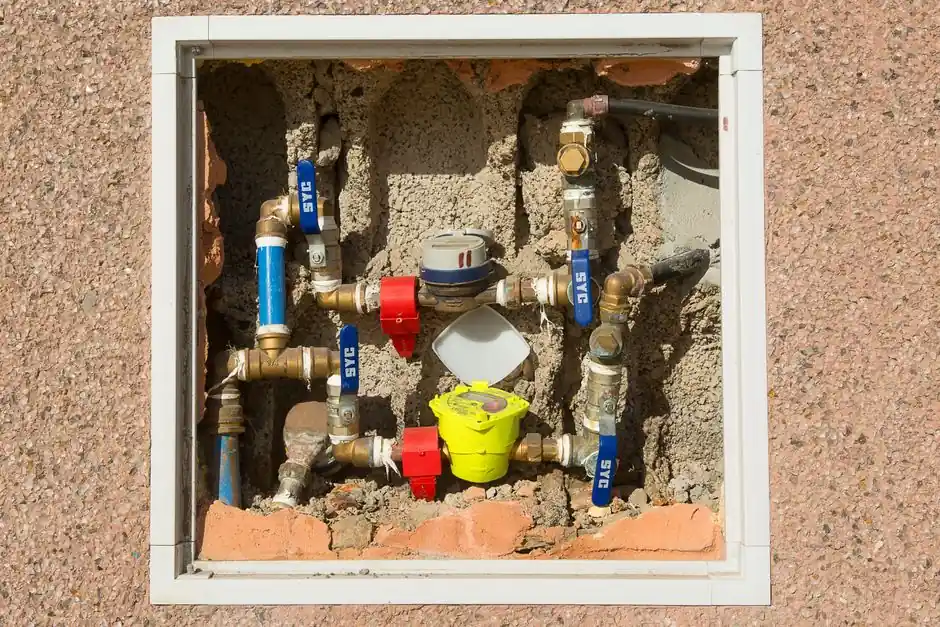
Slab Leak Detection and Repair
Slab leaks can cause serious damage. Our specialized service finds leaks beneath your foundation and repairs them with minimal disruption.
Water Line Leak Repair
Water line leak repair traces main-line leaks from the meter to the house and fixes them with trenchless methods when possible.Ready when you are
Stop Patching Leaks in Palm Springs — Get a Repipe Quote Today!
If the leaks keep coming back, the system is telling you something. Call dispatch for an assessment and a written reroute-versus-repipe quote.
Service areas
Where We Offer Whole-Home Repiping
Local providers bring whole-home repiping to homes and businesses across the Coachella Valley. Choose your city for local details, or see whole-home repiping cost in the Coachella Valley.
Talk with a local provider
Request Whole-Home Repiping
We're here to help with whole-home repiping in Palm Springs. Reach out and dispatch will confirm your visit and your price before any work begins.