Pinhole Leaks? How Desert Hard Water Eats Copper Pipes
A tiny green-crusted spot on a copper pipe. A faint hiss inside a wall. A water bill that keeps creeping up. In the Coachella Valley, these are the…
A tiny green-crusted spot on a copper pipe. A faint hiss inside a wall. A water bill that keeps creeping up. In the Coachella Valley, these are the calling cards of pinhole leaks — and our desert hard water is the reason they happen here more than almost anywhere else. If your home still has its original copper plumbing, here is what is happening inside your walls.
What a Pinhole Leak Actually Is
A pinhole leak is exactly what it sounds like: a tiny hole — sometimes no wider than a pinhead — eaten through a copper pipe by corrosion. The spray can be a fine mist you barely notice, which is what makes them so destructive. A pinhole in a wall cavity can mist for months before anyone sees damage, soaking insulation and framing the whole time.
What is actually happening is chemistry. Copper forms a protective oxide layer inside the pipe, but aggressive water chemistry strips that layer away. Once the bare copper is exposed, corrosion concentrates at a single point and bores straight through. The green or blue-green crust you see around the hole is copper carbonate — the pipe literally dissolving. In the Coachella Valley, our water is loaded with dissolved minerals, which makes this process run faster here than in soft-water cities.
Why Coachella Valley Water Is So Hard on Copper
Coachella Valley water is notoriously hard — calcium and magnesium levels that leave white crust on every faucet are also working on your pipes around the clock. Hard water does not just clog fixtures; it drives the pitting corrosion that becomes pinholes.
Age multiplies the problem. Most valley homes built between the 1960s and the 1990s — think the older sections of Palm Desert, the original Sun City neighborhoods, much of Cathedral City and Desert Hot Springs — went in with copper supply lines. That puts the copper at 30 to 60 years old now. Copper has a long life in gentle water. In our water, 30 years is when the pinholes start showing up. A homeowner in a 1978 Palm Desert condo who patches one pinhole this year should expect the line to produce more — the whole run has been aging together.
Spotting Pinhole Leaks Before They Soak You
Pinholes rarely announce themselves. The early signs: a faint musty smell in one room, a water bill that climbs $20–$40 a month with no change in usage, a warm spot on a tile floor (hot water line), or the sound of water running when everything is off. The green-blue staining around a visible fitting is the smoking gun — that crust means active corrosion.
By the time you see water, the leak has usually been going for a while. Pinholes in slab lines show up as damp baseboards or buckling flooring. Pinholes in walls show up as paint bubbles or a soft spot in drywall. If you are seeing the second leak in a year, stop thinking of them as separate events. They are symptoms of one aging system.
Why Patching Keeps Failing
A repair clamp or epoxy patch will stop today's spray. Fair enough in an emergency — nobody wants water running at midnight. But here is the part the patch does not fix: the corrosion that made the hole is happening along the entire line. Clamp one pinhole and the next one forms six inches away, or six months later.
Count your leaks. One pinhole in a 15-year-old line? Patch it and move on. Two or three in two years on 35-year-old copper? You are spending emergency-plumber money on a system that is telling you it is done. At that point, get a full assessment: a pressure test and inspection of the line tells you whether targeted pipe leak repair makes sense or whether a repipe is the cheaper five-year play.
The Real Fix: Repiping With PEX
When the copper is done, the standard move in the valley is a PEX repipe. PEX does not corrode — hard water simply does not attack it the way it attacks copper. It flexes with our temperature swings instead of stressing at joints, and it runs through walls and attics so future leaks are accessible instead of buried in a slab.
A whole-house repipe in a typical Coachella Valley single-story runs in the low-to-mid five figures depending on fixtures and access — real money, but compare it against the alternative: repeated emergency calls, repeated drywall and flooring repairs, and the water damage each hidden leak causes before you find it. Most homeowners who repipe after their third pinhole wish they had done it after the first. Get the detection report first, know exactly what you are dealing with, then decide.
Water Softeners: Do They Help?
The obvious question: if hard water causes pinhole leaks, does softening the water stop them? It helps — but with a big caveat. A water softener reduces the mineral content that drives pitting corrosion, which slows new damage considerably. For a home with relatively young copper, softening is genuinely protective.
But a softener cannot un-corrode a pipe. If your copper is already 35 years old and pitted, softening the water now is like putting sunscreen on a sunburn — better late than never, but the damage is done. Softeners also add sodium to the water and need maintenance; they are not free. The honest advice: soften the water to protect what is left, but do not expect it to save a system that is already failing. Get the lines assessed first, then decide whether softening, repiping, or both makes sense.
What a Professional Assessment Looks Like
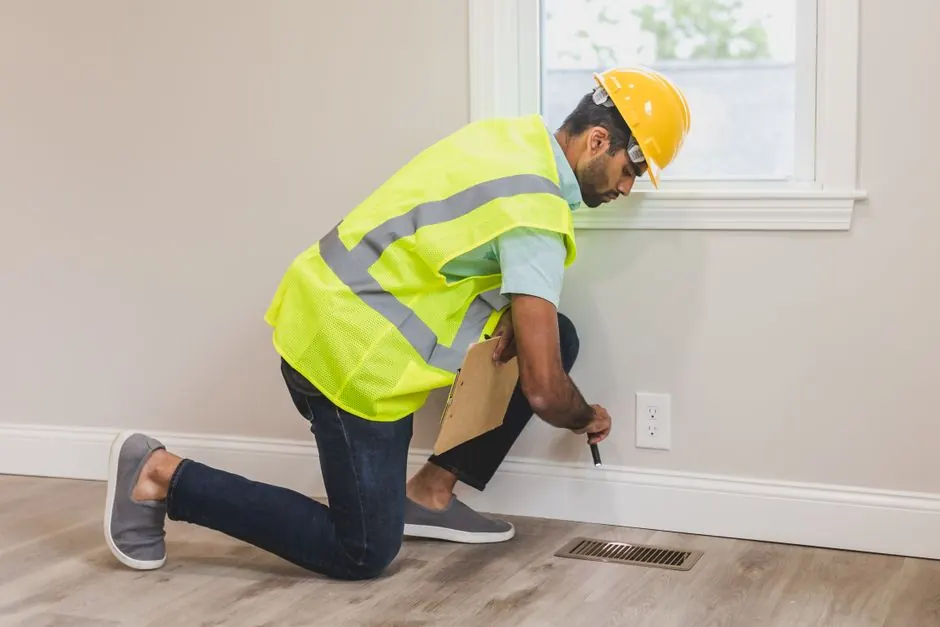
If you are on your second or third pinhole leak, stop patching and get answers. A proper pipe condition assessment starts with a pressure test of each line — a line that will not hold pressure has active leaks, even ones you cannot see yet. Acoustic listening finds pinholes misting inside walls. And where pipe is accessible — at the water heater, under sinks, in the attic — a visual inspection shows the green crust of active corrosion.
What you get is a map: which lines are healthy, which are thinning, and where the next failures are likely. That turns the repipe decision from a scary guess into a planned project. Some homeowners learn their lines have years left and go back to targeted repairs with confidence. Others learn the system is done and schedule a repipe on their terms — not at 2 a.m. with water running through the drywall.

Related reading
- contact us — place in the CTA paragraph on the words inviting the reader to get in touch
- cost of leak detection — place in the section about finding pinhole leaks
- pipe leak repair — place in section 1 where fixing pinhole leaks is discussed
Need help now? Call (760) 254-9953 — 24/7 dispatch across the Coachella Valley.
Frequently Asked Questions
I keep getting pinhole leaks — should I just repipe?
The first pinhole is a warning, not an isolated event. Hard water corrodes the whole line from the inside, so the next leak is usually already forming nearby. If you are patching more than one leak a year, get the full line assessed — a repipe is often cheaper than five years of emergency patches.
Do pipe repair clamps work on pinhole leaks?
They buy time — sometimes months, sometimes a year or more — but they do not stop the corrosion. The pipe keeps thinning around the clamp. Think of them as a bandage on a pipe that is rusting from the inside out: useful in an emergency, not a strategy.
Is PEX better than copper for hard water areas?
PEX does not corrode, which is why it is the standard replacement in repipe jobs across the valley. It also handles our temperature swings better than rigid copper. Most repipes in Coachella Valley homes today use PEX for exactly these reasons.
What are the early warning signs of pinhole leaks?
Green or blue-green staining around a fitting, a musty smell in a wall cavity, a water bill creeping up with no explanation, or a warm spot on a slab floor. By the time you see an actual spray, the pipe has usually been thinning for years.
Get Help in the Coachella Valley
Finding the same damp spot twice? Do not clamp it a third time — find out why it keeps happening. Our leak detection locates active pinhole leaks and maps the condition of your copper lines, so you can decide between targeted repairs and a repipe with real information. Call Palm Springs Leak Pros at (760) 254-9953 — available 24/7 across Palm Springs, Palm Desert, Cathedral City, Desert Hot Springs, and the Coachella Valley.