Slab Leak Repair in Palm Desert: Reroute vs Spot Repair
You have a slab leak under your Palm Desert home, and now you are facing the big decision: fix just the broken section (spot repair) or abandon the…
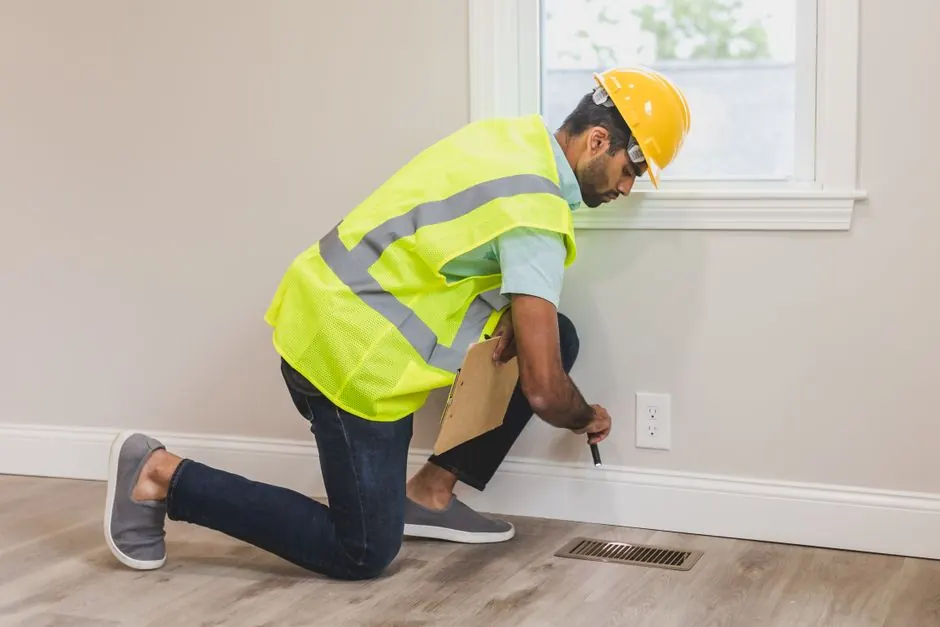
You have a slab leak under your Palm Desert home, and now you are facing the big decision: fix just the broken section (spot repair) or abandon the old line and run new pipe around it (reroute). Both are legitimate repairs, but the right choice depends on your pipe's age, your flooring, and how many leaks you have already had. Here is how to think through it.
Spot Repair: The Targeted Fix
A spot repair is the traditional fix: the plumber opens the concrete slab at the leak location, cuts out the damaged section of pipe, and splices in new material. It is the least expensive option and the fastest to complete — most spot repairs in Palm Desert are done in a single day. If your home has expensive flooring like travertine or Saltillo tile, though, the opening destroys whatever sits above the leak, and matching decades-old tile is often impossible.
The bigger question is whether the rest of the line is healthy. Palm Desert homes built from the 1960s through the 1990s commonly have copper water lines buried in the slab, and the valley's hard water is brutal on copper. If your pipes are 30-plus years old and this is your second or third leak, a spot repair fixes today's problem while tomorrow's pinhole is already forming a few feet down the same line.
Reroute: The Permanent Solution
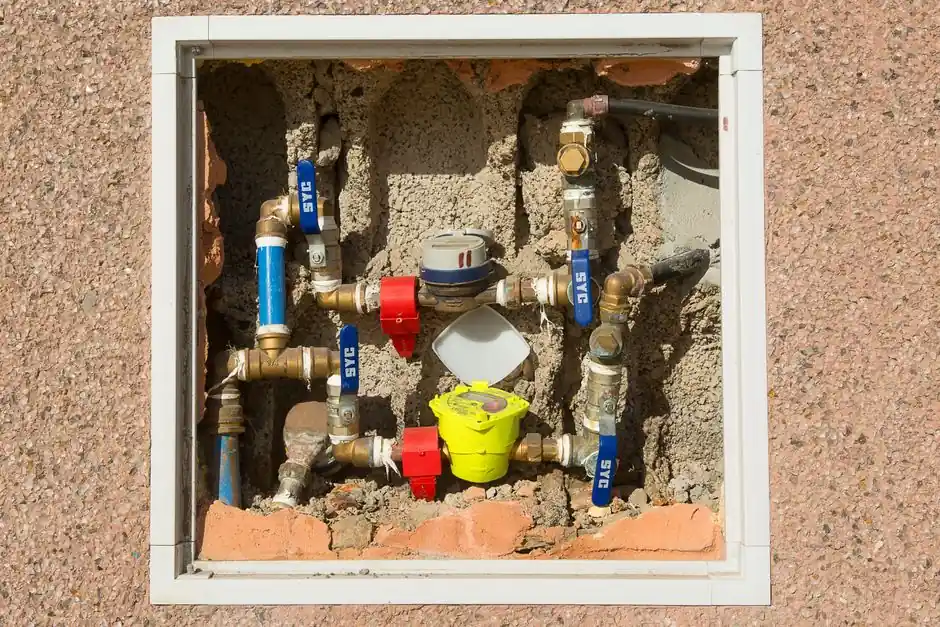
A reroute takes a different approach: instead of digging up the slab, the plumber abandons the leaking under-slab line and installs a brand-new water line through an alternate path — typically through walls, ceilings, or the attic. The old pipe is capped and left in place. Modern PEX or copper is used, and the new line is fully accessible for any future work.
The main advantage is permanence. A reroute does not just fix the current leak; it retires the entire aging line, so you will never jackhammer that floor again for the same pipe. For Palm Desert homeowners with high-end flooring, the math often favors a reroute: one slab opening through travertine can cost nearly as much in flooring restoration as the plumbing repair itself. Reroutes typically take one to three days depending on the number of fixtures served.
Cost Comparison: Honest Numbers
Cost is usually the deciding factor, so here is the honest breakdown for the Coachella Valley. A spot repair generally runs $1,500–$4,000, including slab access, the pipe fix, concrete patch, and basic finish work — but not full flooring restoration, which can add thousands for tile or stone. A reroute typically runs $3,500–$8,000 or more, depending on how many fixtures the line serves and how complex the new path is.
Do not compare the sticker prices in isolation. A spot repair on a deteriorating copper system can easily be followed by a second spot repair two years later, then a third. Add up two or three spot repairs plus repeated flooring damage, and the reroute that looked expensive starts looking like the bargain. Ask your plumber for the total cost of each option including finishes, not just the plumbing line item.
How Desert Conditions Affect the Decision
Palm Desert's desert conditions tilt the decision in specific ways. Our hard water — among the hardest municipal supplies in Southern California — corrodes copper from the inside out, which is why pinhole leaks cluster in valley homes of a certain age. If your home still has its original copper and you are seeing the second leak, the remaining line is living on borrowed time.
Soil matters too. Expansive desert soils and extreme temperature swings stress buried pipes at joints and bends. A leak caused by a single bad fitting in an otherwise young system is a perfect spot-repair candidate. A leak in a 40-year-old line that has been bathed in hard water for decades is a reroute candidate. A good detection report tells you which situation you are in.
Getting the Detection Report First
Before you choose, make sure you actually know what you are dealing with. Professional slab leak detection — acoustic listening, thermal imaging, and pressure isolation — pinpoints the leak within inches and can also reveal the condition of the surrounding line. That report is what turns a guess into a plan.
Ask your plumber three questions: How old is this line and what condition is it in? What will the total cost be including flooring restoration for each option? And if I spot-repair now, what is the realistic chance I am back here in two years? An honest plumber answers all three directly. If the answers point to a failing system, the reroute is not the expensive option — it is the last option you will need to buy.
What About Your Flooring?
Flooring is the hidden cost driver nobody puts in the first quote. A spot repair in a Palm Desert home with travertine or large-format tile means cutting a hole — usually two to three feet square — right through it. The concrete gets patched, but the flooring does not magically heal. Matching 20-year-old travertine is a losing game; most homeowners end up retiling the entire room, which can cost more than the plumbing repair itself.
This is where the reroute quietly wins for a lot of valley homes. Because the new line runs through walls or the attic, the slab stays intact and the floor never gets touched. When you compare quotes, ask each plumber for two numbers: the plumbing work, and the total project including flooring restoration. A $2,500 spot repair plus a $4,000 retile is not cheaper than a $5,500 reroute — it is more expensive, with more disruption.
Making the Final Decision
Here is a simple way to decide. Choose the spot repair when the leak is clearly isolated — one bad fitting, relatively young pipe, first leak ever, and standard flooring you can patch cheaply. It is fast, it is the least expensive option, and for a healthy system it is the right call.
Choose the reroute when the system is telling you it is tired: 30-plus-year-old copper, a second or third leak, visible corrosion elsewhere, or premium flooring that makes every slab opening brutally expensive. Also lean reroute if you plan to stay in the home long-term — you are buying decades of not thinking about it.
Either way, the decision starts with detection, not with a plumber's preference. Get the leak located, get the line's condition assessed, and get both options priced with flooring included. Then the right answer usually picks itself.

Related reading
- contact us — place in the CTA paragraph on the words inviting the reader to get in touch
- slab leak repair costs in the Coachella Valley — place in the section about spot repair costs
- slab leak detection — place in section 1 where pinpointing the leak is discussed
Need help now? Call (760) 254-9953 — 24/7 dispatch across the Coachella Valley.
Frequently Asked Questions
How much more does a reroute cost than a spot repair?
A spot repair opens the slab at one point and fixes the single damaged section — usually $1,500–$4,000 in the Coachella Valley. A reroute abandons the old under-slab line and runs new piping through walls or the attic, typically $3,500–$8,000+ depending on fixtures and home size. Reroutes cost more upfront but eliminate future slab leaks on that line entirely.
When is a reroute better than a spot repair?
If the pipe is decades-old copper with visible corrosion, or if you have already had one or two leaks, a reroute is usually the smarter long-term move. Desert hard water keeps attacking the same line, so a spot repair on a deteriorating system often just buys time until the next pinhole appears a few feet away.
Does a reroute mean tearing up my floors?
Often, yes. A reroute runs new PEX or copper through walls, ceilings, or the attic, so the only slab work is capping the abandoned line. Most reroutes avoid jackhammering your floors altogether — one reason many Palm Desert homeowners with tile or stone flooring choose it.
How long does leak detection take before repairs start?
With proper detection, usually a few hours to a day. The actual location matters more than the method: a leak under a bathroom is simpler to reach than one under a kitchen island. Once the leak is pinpointed, your plumber can give you an accurate timeline for either approach.
Get Help in the Coachella Valley
Choosing between a reroute and a spot repair starts with knowing exactly where the leak is and what condition the rest of the line is in. Our detection pinpoints the leak and gives you a written report, so you can make the decision with facts instead of guesses. Call Palm Springs Leak Pros at (760) 254-9953 — available 24/7 across Palm Desert, Rancho Mirage, Indian Wells, La Quinta, and the rest of the Coachella Valley.