Leaving Your La Quinta Vacation Home Empty? Leak Prevention
Every spring, thousands of snowbirds lock up their La Quinta and Palm Desert homes and head north — and every fall, some of them come back to a…
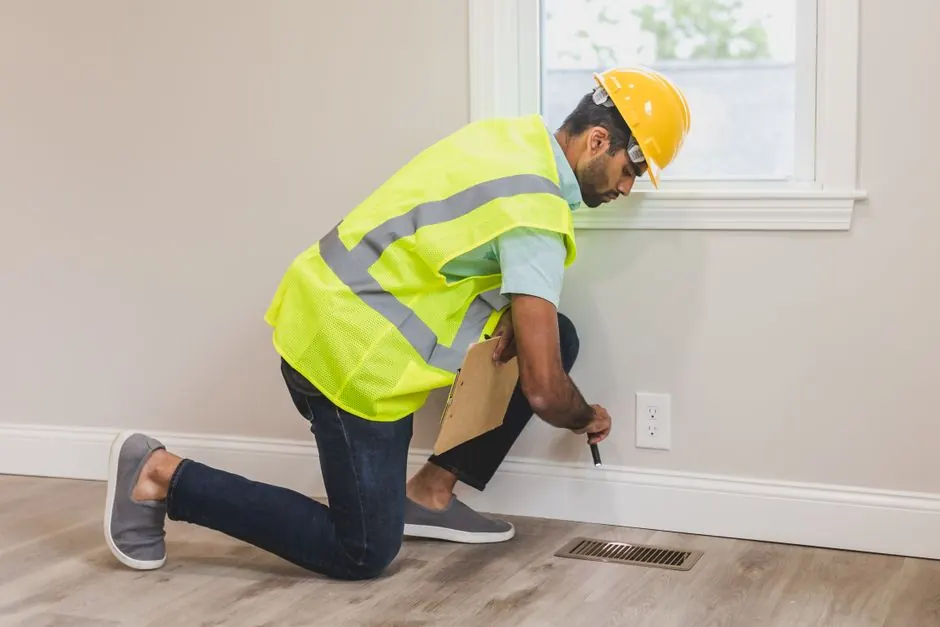
Every spring, thousands of snowbirds lock up their La Quinta and Palm Desert homes and head north — and every fall, some of them come back to a disaster. A supply line that let go in June can run for months before anyone notices. In the Coachella Valley, an empty house in summer is a plumbing risk, not a plumbing vacation. Here is how to protect yours.
What Happens When Nobody Is Home
Here is the scenario that plays out every year in the valley. A homeowner leaves their La Quinta home in April. In July, a fifteen-year-old rubber washing machine hose bursts — a $12 part. With nobody home and full water pressure in the lines, it runs for weeks. By October, there is $40,000 in flooring, drywall, and mold damage.
This is not rare. Insurance data consistently ranks water damage among the top claims for second homes, and the desert makes it worse: extreme heat degrades rubber hoses, plastic fittings, and valve seals faster than in mild climates. A supply line that would last 12 years in San Diego might give you 8 here. The failure is not the tragedy — the months of nobody noticing is.
The Pre-Departure Checklist
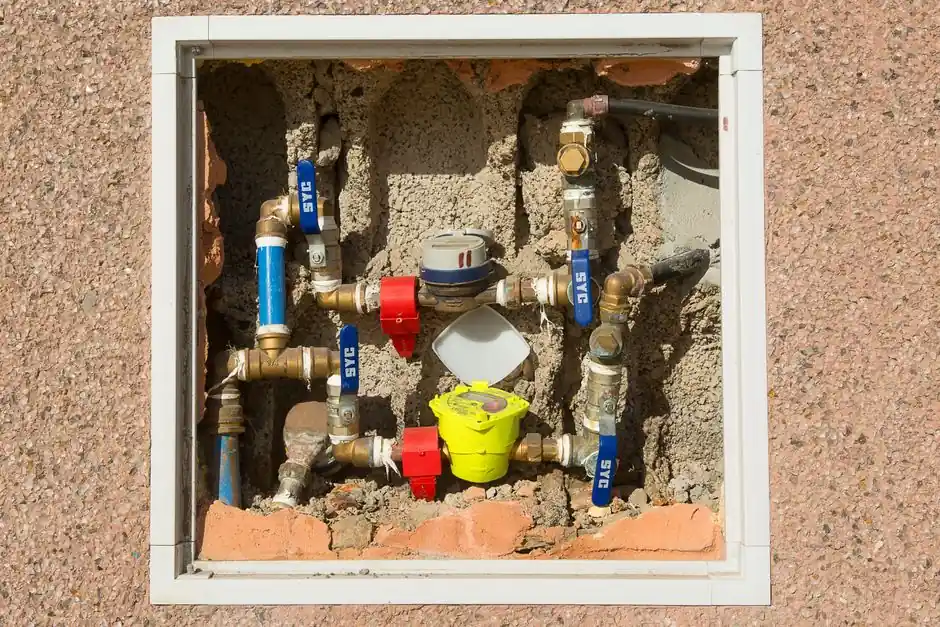
Do this before you lock up. First, turn off the water at the main shutoff valve — usually near the street or where the line enters the house. No pressure, no flood. This single step prevents the vast majority of catastrophic vacant-home water damage. Test the valve first; old gate valves seize up, and discovering that in October is too late.
Second, turn the water heater to vacation mode or off entirely, and consider shutting its supply too — water heaters are the number one source of major indoor leaks. Third, pour water into every drain and toilet to fill P-traps, which otherwise dry out in our heat and let sewer gas into the house. A teaspoon of mineral oil in each drain slows evaporation for months. Fourth, set the AC to 80–85°F, not off — you are controlling humidity that feeds mold, not cooling an empty house.
Eyes on the Property — and Sensors
Your best defense after the shutoff valve is a pair of eyes. Arrange for someone — a neighbor, a property manager, a watch service — to walk through every two to three weeks. Not a drive-by. An actual walk-through: under sinks, around toilets, at the water heater, and a glance at the water meter.
Even better, add technology. Smart leak detectors cost $25–$40 each and send phone alerts the moment they sense water. Place them at the water heater, under the kitchen sink, behind the washing machine, and under each bathroom vanity. A smart water shutoff valve goes further — it detects abnormal flow and closes the main automatically. For a home that sits empty five months a year, a few hundred dollars in sensors is the best money you will spend.
Why Summer Is the Riskiest Season
Summer is the danger season, and it is not just about heat. Municipal water pressure in parts of the valley runs high, and pressure plus heat-aged rubber is a bad combination. Irrigation lines crack, pool equipment seals fail, and slab lines stressed by expanding soil give way — all while you are a thousand miles away.
There is a second summer problem people forget: evaporation. With the AC barely running and no water use, P-traps dry out in weeks, and sewer gas seeps into the house. You come back to a home that smells like a sewer — unpleasant, but also a sign that the trap seals protecting you from gases are gone. The mineral-oil trick in the drains handles this. So does having your watcher run each fixture for thirty seconds during checks.
The Pre-Season Inspection Worth Getting
The smartest snowbirds get a plumbing inspection in March or April, before departure. A technician checks supply line hoses (washing machine, dishwasher, ice maker — the braided steel ones last far longer than rubber), water heater connections and age, shutoff valve function, toilet supply lines, and under-sink connections. It takes about an hour.
What you are buying is a punch list: replace those rubber washer hoses now, that toilet supply line is corroding, the water heater is 14 years old and living on luck. Fix the small stuff before you leave, and the catastrophic stuff cannot happen while you are gone. Compared to a single emergency water damage claim, a pre-departure inspection is pocket change.
The Insurance Angle Snowbirds Forget
Here is something that surprises second-home owners: many homeowners policies have a vacancy clause. Leave the house unoccupied for 30 or 60 consecutive days — standard for a snowbird summer — and your coverage for certain types of damage can be reduced or excluded. Some carriers require you to notify them of extended absences; others require periodic inspections by someone as a condition of coverage.
Read your policy before you leave, not after a claim. If your carrier requires check-ins, your property watcher's log becomes a coverage document — have them note dates and what they checked. And document your pre-departure steps: photos of the shutoff valve turned off, the water heater setting, the sensors you installed. If the worst happens, you want to show the adjuster you did everything right.
What Your Property Watcher Should Actually Do
Not all watch services are equal. A drive-by is nearly worthless for leak prevention — you cannot smell a musty closet or hear a running toilet from the curb. Insist on interior walk-throughs, and give your watcher a specific checklist: run every faucet for 30 seconds, flush every toilet, look under every sink, check around the water heater, glance at the water meter, and open the closets on exterior walls for a sniff test.
Better yet, ask them to photograph the water meter reading each visit. Three visits with the same reading and no water use means no leak — a rising reading with the house empty means something is wrong right now. That one habit turns a casual check into actual monitoring. The best watchers in the valley already do this. If yours does not, find one who does.

Related reading
- contact us — place in the CTA paragraph on the words inviting the reader to get in touch
- leak detection cost — place in the section about pre-departure inspection
- water line leak repair — place in section 1 where supply line failures are discussed
Need help now? Call (760) 254-9953 — 24/7 dispatch across the Coachella Valley.
Frequently Asked Questions
Should I turn off the water when leaving my vacation home?
The standard advice: turn the water off at the main shutoff valve before you leave for an extended absence. No pressure in the lines means a failed fitting cannot flood the house for weeks. Also turn your water heater to vacation mode or off, and have someone check the property periodically.
Can sewer gas come up through dry drains in an empty house?
Yes — dry P-traps are one of the most common vacant-home issues. Pour a cup of water into each drain and toilet before you leave, or add a teaspoon of mineral oil to slow evaporation. Better yet, have your property watcher run each fixture briefly during checks.
How often should someone check my empty vacation home?
At minimum, have someone physically walk through every few weeks — checking under sinks, around the water heater, and at the water meter. Smart leak detectors with phone alerts are an excellent backup: place them at the water heater, under kitchen and bathroom sinks, and near the washing machine.
Why is summer the riskiest season for an empty Coachella Valley home?
Desert heat accelerates everything: rubber supply lines and valve seals dry out and crack faster, water heaters work harder, and a small leak evaporates just enough to hide while still soaking the subfloor. Summer is when vacant valley homes take the most plumbing damage.
Get Help in the Coachella Valley
Heading out for the season? A pre-departure plumbing check is the cheapest insurance your vacation home will ever get. We inspect supply lines, water heater connections, and shutoff valves, and document everything so you leave with confidence. Call Palm Springs Leak Pros at (760) 254-9953 — available 24/7 across La Quinta, Palm Desert, Rancho Mirage, Indian Wells, and the Coachella Valley.