Pool Leak Detection Cost in Palm Desert (2026)
Your Palm Desert pool is dropping an inch or more a week, and the bucket test says it is not just evaporation. Now you want to know: what will it…
Your Palm Desert pool is dropping an inch or more a week, and the bucket test says it is not just evaporation. Now you want to know: what will it cost to have someone actually find the leak? Pool leak detection in Palm Desert typically runs $200–$500 in 2026, but the final number depends on your pool's size, equipment, and how tricky the leak is to reach. Here is the full breakdown.
What Pool Leak Detection Costs in Palm Desert
For a standard residential pool in Palm Desert — one skimmer, one main drain, a pump and filter — expect to pay $200–$350 for a complete pool leak detection visit. That covers the full diagnostic: a visual inspection of the equipment pad, dye testing around skimmers and returns, and pressure testing of the plumbing lines to isolate the failing one.
Bigger setups cost more. Add a spa, a waterfall, an in-floor cleaning system, or a second skimmer, and you are looking at $350–$500 because every additional line gets tested separately. Saltwater pools sometimes run slightly higher too, since salt accelerates corrosion at equipment connections and there are more failure points to check. The price you pay is for answers: a written report showing exactly where the leak is, so the repair crew opens the ground in one spot instead of five.
What Makes the Price Go Up or Down
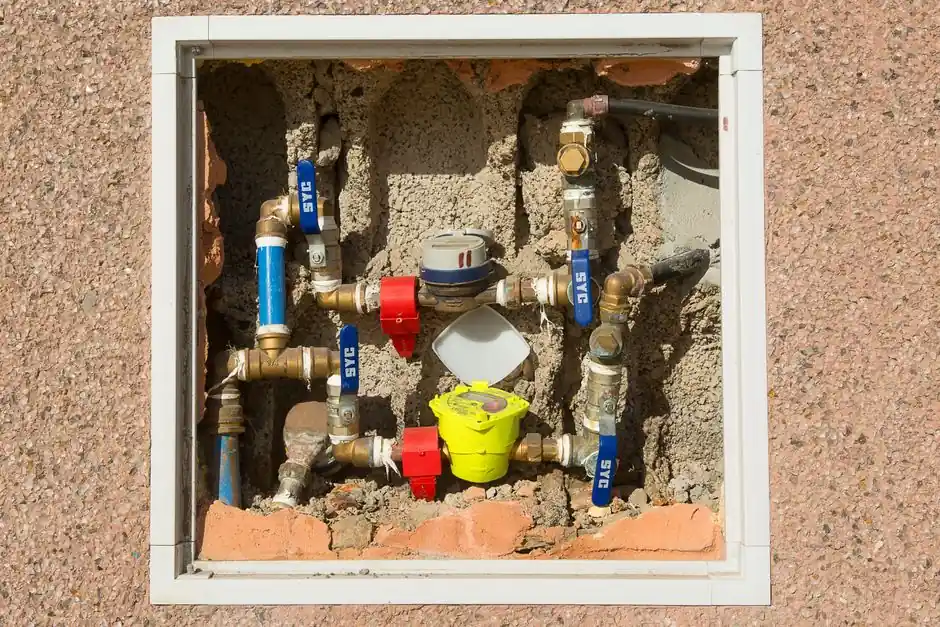
Three things move the price. First, access. If your equipment pad is buried behind landscaping in a Marrakesh or Sun City backyard, the tech spends more time just getting set up. Clear access keeps the visit short and cheap.
Second, the number of lines. Every suction and return line gets isolated and pressure tested on its own. A simple pool has three or four lines. A pool-spa combo with a waterfall and sheer descents can have eight or more. More lines, more time, more money.
Third, leak type. A cracked skimmer throat found in ten minutes with dye is a quick visit. A slow seep in a return line under six feet of decking may need a full pressure test plus a second pass with a listening device. You cannot know which one you have until the testing starts — which is exactly why you hire a pro instead of guessing.
Evaporation vs. Leak: The Desert Complication
Here is the Palm Desert wrinkle nobody warns you about: our evaporation is so extreme that half the 'leaks' people worry about are just the desert doing its thing. A 400-square-foot pool surface losing a quarter inch a day to evaporation drops over 600 gallons a month. That is real money on your water bill — and it looks exactly like a leak.
That is why every honest pool leak detection visit starts with ruling evaporation out. Do the bucket test first: fill a bucket with pool water, set it on a step, mark both water lines, and wait 24 hours with the pump running normally. If the pool drops more than the bucket, you have a leak worth detecting. If they drop together, you have a desert, not a leak — and you just saved yourself $300.
What Happens During the Visit
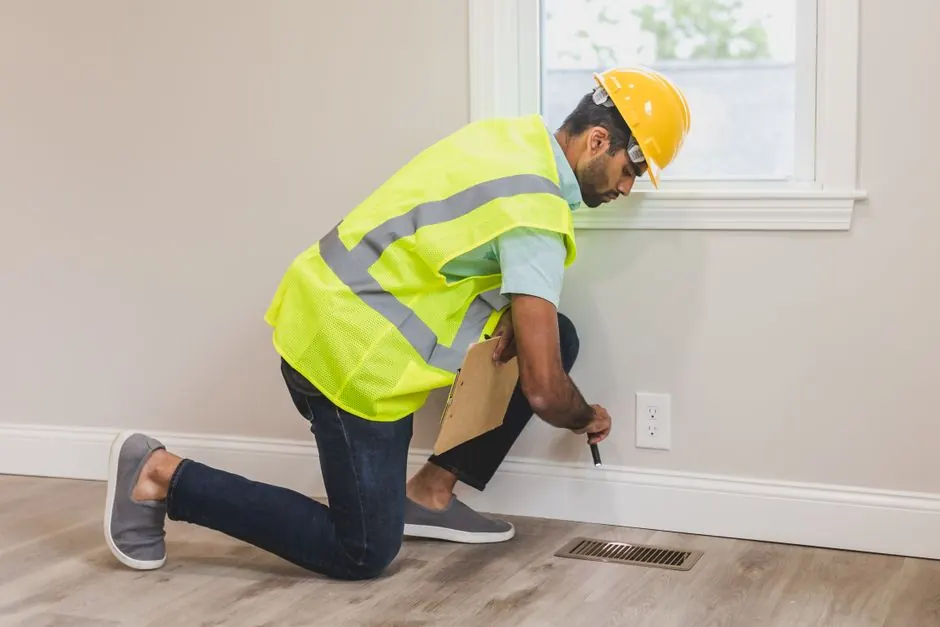
A proper pool leak detection visit follows a sequence. It starts at the equipment pad — pump seals, filter connections, valves, and the heater are the most common leak points and the cheapest to fix, so a good tech checks there first. Next comes dye testing: a syringe of colored dye released around skimmer throats, return fittings, and light niches. If dye gets sucked in, you found a suction-side leak.
Then the plumbing gets pressure tested. Each line is isolated, pressurized, and watched. A line that will not hold pressure is your culprit. For underground lines, acoustic listening equipment can narrow the location to within a few feet. The whole process usually takes two to four hours, and you get a report showing the leak location, the line involved, and what the repair will require. No guesswork. No exploratory digging.
What Repairs Cost After Detection
Detection is only half the story, so budget for what comes after. Simple fixes — a skimmer gasket, a pump seal, a cracked valve — run $150–$500 and are often done the same week. Structural repairs like a cracked skimmer throat or a broken return fitting run $500–$1,500. Underground line repairs, where decking has to come up, start around $1,000 and climb with access difficulty.
Here is the math that matters: every month you wait, a one-inch-a-week leak wastes roughly 2,500 gallons in a typical Palm Desert pool. At local water rates, that is $30–$60 a month evaporating into your bill — plus the chemical imbalance and equipment strain that come with constantly topping off. Detection pays for itself fast.
Saltwater Pools: A Palm Desert Special Case
A lot of Palm Desert pools run saltwater systems, and salt changes the leak picture. Salt is corrosive to metal — pump seals, heater cores, rail anchors, and light niches all degrade faster in saltwater. That means more potential leak points, and a detection visit on a salt pool often takes longer because the tech checks every metal penetration carefully.
Salt also complicates the bucket test slightly: saltwater evaporates at a marginally different rate than freshwater, though not enough to invalidate the test. What matters more is that saltwater pool owners tend to top off more often (salt systems are sensitive to dilution), which can mask a slow leak for months. If your autofill is running constantly and you have a salt system, do not assume it is just evaporation — get the lines tested.
When Detection Pays for Itself
Run the numbers on waiting. A one-inch-per-week leak in a standard 15,000-gallon Palm Desert pool wastes roughly 400 gallons a week — over 1,700 gallons a month. At local water rates, that is $25–$50 a month straight into the ground, every month, until it is fixed. Over a single summer, the wasted water alone can exceed the cost of the detection visit.
Then add the hidden costs. Constantly topping off dilutes your chemicals, so you burn through chlorine and acid chasing balance. The pump runs longer to keep up. And an undetected structural leak can undermine decking or the pool shell itself — turning a $400 skimmer repair into a five-figure structural job. Detection is not an expense. It is the thing that keeps small problems small.

Related reading
- contact us — place in the CTA paragraph on the words inviting the reader to get in touch
- leak detection cost in Palm Springs — place in the section about what drives the price up or down
- pool leak detection — place in section 1 where the detection process is first described
Need help now? Call (760) 254-9953 — 24/7 dispatch across the Coachella Valley.
Frequently Asked Questions
Does the detection price include the repair?
No. Detection ($200–$500) finds the leak. Repair is a separate job and depends entirely on what is found — a skimmer gasket is a few hundred dollars, while an underground return line can run into the thousands. Any company that quotes a repair price before locating the leak is guessing.
Should I do the bucket test before calling a professional?
Absolutely, and it is the right first step. A bucket test is free and tells you whether you are losing water to evaporation or to a real leak. If the bucket test points to a leak, professional pressure testing is the next move — it pinpoints which line is failing so the repair crew digs in one place, not five.
How long does pool leak detection take?
Most detection visits wrap up in two to four hours. Larger pools with spas, waterfalls, or multiple skimmers take longer because each line gets isolated and pressure tested individually. You will know the answer the same day.
How much water does a Palm Desert pool lose to evaporation?
In Palm Desert, summer evaporation can exceed a quarter inch per day — over an inch a week in a typical pool. That is why the bucket test matters here more than almost anywhere else: it separates our brutal evaporation from a genuine plumbing leak before you spend a dollar on detection.
Get Help in the Coachella Valley
Stop guessing and start knowing. A professional pool leak detection visit in Palm Desert takes the mystery out of your water loss — pressure testing, dye testing, and a written report you can act on. Call Palm Springs Leak Pros at (760) 254-9953 — we are available 24/7 across Palm Desert, Rancho Mirage, Indian Wells, La Quinta, and the whole Coachella Valley.