Musty Smell, No Visible Leak? Hidden Leak Warning Signs
You walk into a room and it hits you — that damp, earthy, musty smell. But the walls look fine. No stains, no drips, nothing wet. Here is the…
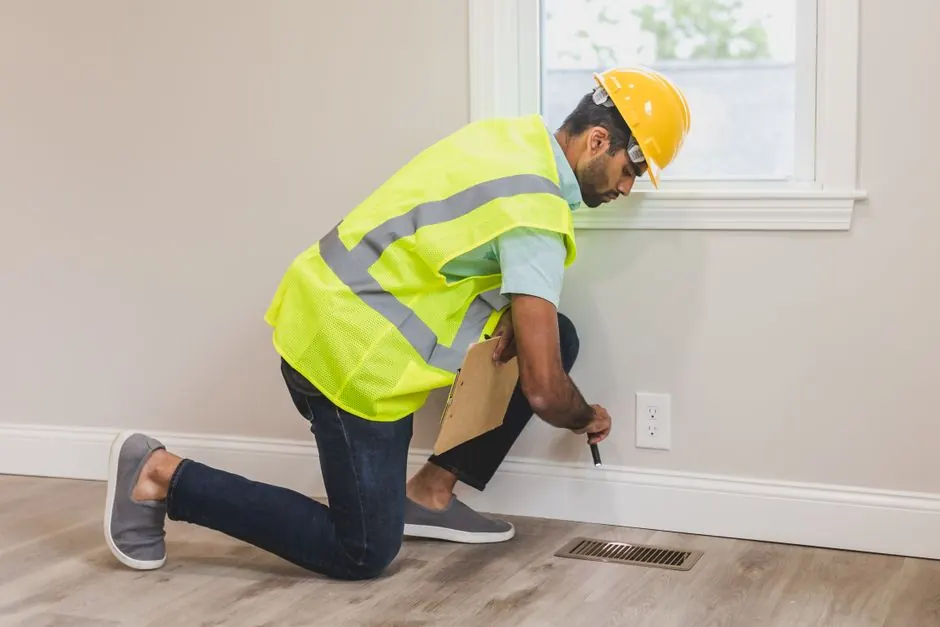
You walk into a room and it hits you — that damp, earthy, musty smell. But the walls look fine. No stains, no drips, nothing wet. Here is the uncomfortable truth: musty smell without a visible leak almost always means water is hiding somewhere you cannot see. And in the Coachella Valley heat, a hidden leak does not stay hidden for long.
Why Musty Smell Means Hidden Water
Musty odor is the smell of microbial growth — mold and mildew digesting damp building materials. No moisture, no musty smell. So when you smell it but see nothing, water is present behind a surface: inside a wall cavity, under laminate flooring, above a ceiling, or beneath a shower pan.
Our desert climate makes this worse, not better. People assume the dry heat keeps things dry, but a slow leak inside a wall in 115-degree heat creates a warm, humid pocket — basically an incubator. Mold that might take weeks to establish in a cool climate gets going in days here. That musty smell in your hallway closet? It could be a pinhole in a copper line that has been misting for two months.
How Thermal Imaging Finds What Eyes Cannot
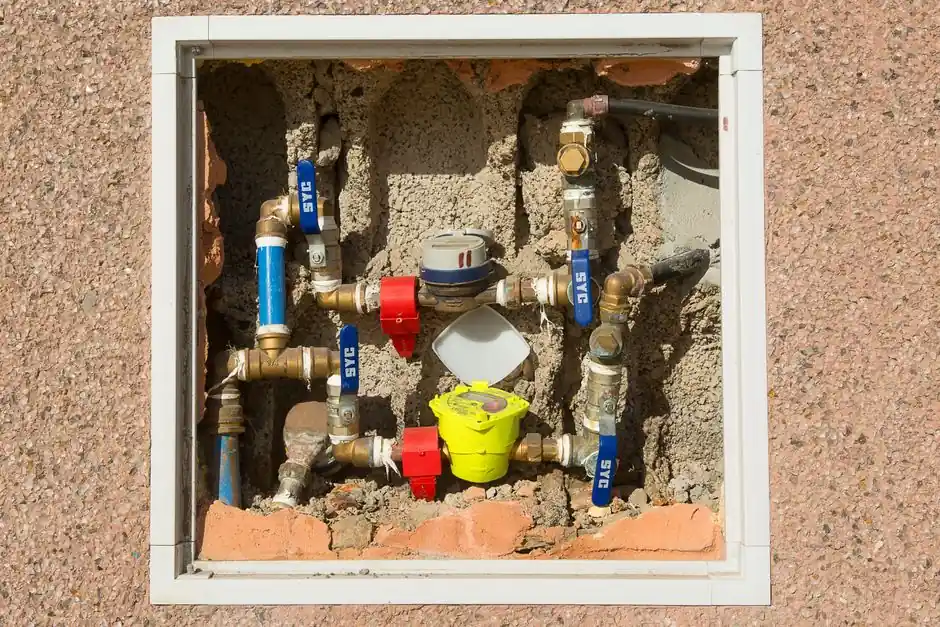
A thermal imaging camera does not see water — it sees temperature. Wet building material cools as moisture evaporates, so a hidden leak shows up as a cool blue or purple patch on the scan, even through drywall, tile, or stucco. A technician can sweep an entire room in minutes and see patterns no eye could catch.
It is not magic, though. Thermal imaging finds the moisture pattern; confirming the source takes more work. That is why it gets paired with acoustic listening (hearing pressurized water escaping) and moisture meters (confirming the dampness is real, not a cold spot from AC ducting). Together, the three tools triangulate the leak to within inches — without opening a single wall to look. The scan also shows the full extent of the spread, which matters for the repair scope.
The Subtle Signs Most People Miss
Beyond the smell, hidden leaks leave subtle clues if you know where to look. Paint that bubbles or peels in one spot. Baseboards that feel slightly soft or show a hairline gap from the wall. Tile grout that darkens in one area. A floor that feels cool underfoot in summer when the rest is warm.
Then there are the indirect signs. A water bill climbing $30–$50 a month with no change in habits. The water meter spinning when every tap is off — the classic test. Allergy symptoms or headaches that ease when you leave the house. One homeowner in a Rancho Mirage condo chased a musty bedroom smell for weeks, blaming the AC, until a thermal scan found a shower valve leaking inside the wall. The drywall looked perfect. The framing behind it did not.
What to Check Yourself First
Not every musty smell is a plumbing leak, and it is worth ruling out the simple stuff first. Check under every sink — supply line connections and P-trap joints are the most common household leak points. Pull the washing machine out and look at the hoses. Check the water heater pan. Sniff inside closets on exterior walls, where condensation and intrusion collect.
But know when to stop hunting on your own. If the smell is persistent, localized to one area, and you have checked the obvious spots, the leak is somewhere you cannot reach without tools. Every week you wait, the moisture spreads further into framing and insulation, and the eventual repair gets bigger. Professional detection costs a fraction of what mold remediation and structural repair cost after six more months of hidden soaking.
After the Leak Is Found: What Comes Next
Finding the leak is step one. Step two is fixing it and dealing with what the water touched. A pinhole in a supply line gets repaired or the section replaced. A failed shower pan or valve gets rebuilt. Then comes the part people underestimate: drying.
Wet drywall, insulation, and wood framing need to be dried properly or removed — in our heat, 'it will dry out on its own' is how mold colonies get established. Anything that stayed wet for more than a couple of days usually needs to come out. Get the detection report in writing with photos; if the damage is extensive enough to involve your insurance, that documentation is what your adjuster will ask for first.
Why the Valley's Heat Makes It Worse
People assume desert heat keeps homes dry. Inside a wall cavity, the opposite happens. A slow leak in 115-degree heat creates a warm, humid microclimate — the perfect incubator for mold. What might take a month to colonize in a cool climate can take hold in days here.
There is another desert factor: our homes are sealed tight against the heat, which means poor ventilation in wall cavities and attics. Moisture from a hidden leak has nowhere to go. And because the air outside is so dry, homeowners dismiss musty smells — 'it cannot be a leak, nothing stays wet here.' But inside that wall, it stays wet just fine. If you smell mustiness in a Coachella Valley home, take it more seriously than you would in a humid climate, not less.
Mold, Health, and When to Act Fast
Let us be direct about the health angle. Most household mold is an allergen and irritant, not a toxin — but 'not toxic' does not mean harmless. Prolonged exposure in a home with a hidden leak commonly triggers allergy symptoms, headaches, respiratory irritation, and worsened asthma, especially in kids and older adults. If someone in the house feels better whenever they leave for a few days, pay attention.
Do not try to remediate a large mold problem yourself with bleach and hope. If the musty smell covers a wide area or you find visible mold larger than a few square feet, the moisture source has to be fixed first — otherwise the mold comes right back. That means finding the hidden leak, repairing it, then properly drying and removing affected materials. The sequence matters: kill the water first, then deal with what it grew.

Related reading
- contact us — place in the CTA paragraph on the words inviting the reader to get in touch
- pipe leak repair — place in the section about what happens after the leak is found
- thermal imaging leak detection — place in section 2 where thermal cameras are explained
Need help now? Call (760) 254-9953 — 24/7 dispatch across the Coachella Valley.
Frequently Asked Questions
Why does my house smell musty but I can't find a leak?
Musty odors come from mold and mildew, which need moisture to grow. If you smell it but cannot see water, moisture is hiding somewhere — inside a wall, under flooring, or above a ceiling. The smell is often the first and only warning before visible damage appears.
How does thermal imaging find a hidden water leak?
Thermal imaging cameras detect temperature differences caused by moisture behind surfaces. A hidden leak cools the surrounding material as water evaporates, and the camera shows that cool pattern on screen. It lets a technician scan entire walls and floors in minutes without opening anything.
Is a hidden leak dangerous to my health?
It can be, especially in our climate. A slow leak inside a wall cavity in 110-degree heat becomes a mold incubator fast. Musty smell plus allergy symptoms, headaches, or respiratory irritation in one area of the house is worth investigating promptly — for the house and for your health.
What should I check first before calling a leak detection company?
Start with the obvious: check under sinks, around toilets, and behind the washing machine. Sniff near baseboards and inside closets on exterior walls. If the smell is strongest in one room and you cannot find a source, that is when professional detection earns its keep — the leak is somewhere you cannot see.
Get Help in the Coachella Valley
A musty smell with no visible leak is exactly the kind of problem leak detection exists to solve. Our thermal imaging and acoustic equipment find the source without tearing your home apart — and you get a written report showing what we found. Call Palm Springs Leak Pros at (760) 254-9953 — available 24/7 across Palm Springs, Cathedral City, Rancho Mirage, Palm Desert, and the Coachella Valley.