Buying a Home in Palm Springs? Get a Leak Inspection
You found the house — mid-century in Twin Palms, or maybe a condo off Country Club Drive. The inspection is scheduled. But here is what most Palm…
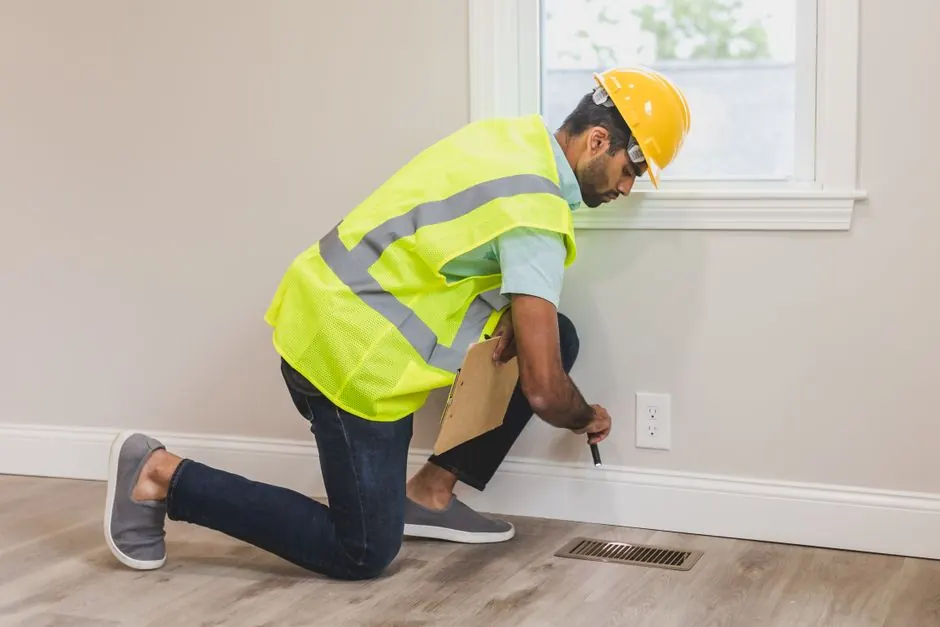
You found the house — mid-century in Twin Palms, or maybe a condo off Country Club Drive. The inspection is scheduled. But here is what most Palm Springs buyers do not realize: a standard home inspection will not find a slab leak, a pool plumbing leak, or a pinhole-riddled copper system. Those take specialized detection. And in a market full of 40-to-70-year-old homes, skipping that check is a gamble.
What a Standard Inspection Misses
A general home inspector is a generalist. They run the taps, flush the toilets, look under sinks, and note visible issues. What they do not do: pressure-test the under-slab lines, scan floors with thermal imaging, listen for leaks with acoustic equipment, or pressure-test pool plumbing. The most expensive plumbing problems in a Palm Springs home are all invisible to a visual inspection.
Consider what you are buying. Much of Palm Springs' housing stock dates from the 1950s through the 1980s — Alexander homes, condos, and ranch houses with original copper or galvanized plumbing now 40 to 70 years old. In our hard water, that is well past the age when pinhole leaks and slab failures start. A fresh coat of paint and new flooring can hide a multitude of sins. The inspection contingency period is your one window to look underneath.
What a Leak Inspection Actually Covers
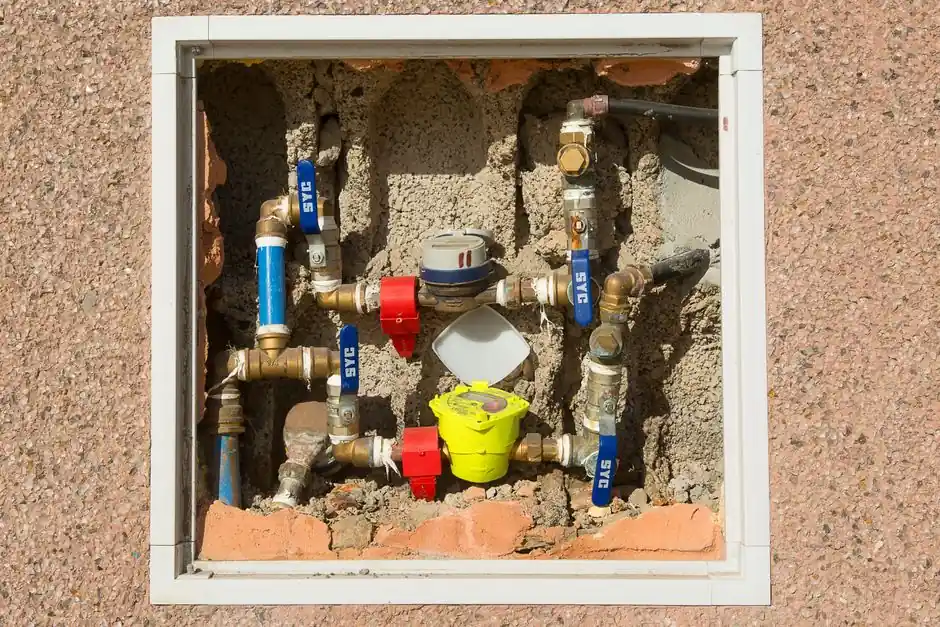
A pre-purchase leak inspection is a focused diagnostic visit. The technician pressure-tests the water lines to check for under-slab leaks, runs thermal imaging over floors to spot hidden moisture patterns, listens acoustically for active leaks, checks the water heater's age and condition, and inspects visible supply lines for corrosion.
If there is a pool — and in Palm Springs there usually is — it gets its own workup: bucket-test verification, equipment pad inspection, dye testing of skimmer and fittings, and pressure testing of pool plumbing lines. The whole visit takes two to four hours. You get a written report with findings, photos, and thermal images — documentation you can hand to your agent and use at the negotiating table.
Why Valley Homes Need It More
Valley homes have specific risk factors a buyer should understand. Hard water has been attacking copper pipes for decades — a 1965 home with original plumbing is essentially guaranteed to have thinned lines. Expansive desert soil stresses buried pipes and slab foundations. And many homes have had additions or remodels where new plumbing ties into old, creating joints that fail first.
Pools add another layer. An older pool with original plumbing can hide leaks that cost thousands to repair — and pool leaks do not show up on a standard inspection at all. One buyer in an Indian Wells neighborhood discovered a pool return-line leak three months after closing: $4,200 to repair, plus the water bills. A $300 inspection would have made it the seller's problem. In this market, the inspection is not paranoia. It is arithmetic.
Timing It With Your Contingency Period
Timing matters. Schedule the leak inspection inside your inspection contingency period — usually 7 to 17 days after offer acceptance in California — so you can still negotiate or walk away. Book it alongside the general inspection, not after; you want all findings in hand before the contingency expires.
If the report comes back clean, you buy with confidence. If it finds a slab leak, you have options: ask the seller to repair, negotiate a credit, or adjust your offer. A documented $8,000 slab issue is powerful leverage. And if the seller refuses to budge on a major finding, you have the information to walk away from a money pit — which is precisely what the contingency period is for.
Red Flags Specific to Valley Listings
Learn to read a listing like a leak detective. 'Recently repiped' in the disclosures is actually good news — ask for receipts and permits. Fresh interior paint in just one room of an otherwise original home? Could be innocent. Could be covering a leak repair — ask what was behind it. New flooring throughout a 1960s home with no mention of plumbing updates deserves a closer look underneath.
Outside, check the water meter area for dampness and look at the yard for inexplicably lush patches. Inside, run every tap and flush every toilet during your showing — low pressure or slow drains are free information. And always ask the seller directly: any history of slab leaks, pool leaks, or water damage claims? Their answer goes into the disclosures, which makes it legally meaningful.
Condos and HOAs: Extra Homework
Buying a condo? The leak inspection still matters, but the questions multiply. Which plumbing is yours versus the HOA's? Ask for the HOA's maintenance history — have other units had slab leaks? A complex with a pattern of leaks and 40-year-old copper is a special-assessment waiting to happen, and you want to know before you buy, not when the assessment letter arrives.
Request the HOA's reserve study and recent meeting minutes. Look for plumbing discussions, repiping proposals, or water damage claims. And understand the insurance split: your HO-6 covers your interior, the master policy covers the structure, and the gap between them is where slab leak costs fall. A $300 leak inspection plus an hour reading HOA documents is the cheapest due diligence in the transaction.
New Construction Is Not Immune Either
Do not assume a new build is leak-free. New construction has its own failure modes: poorly glued joints, nicked PEX from rushed rough-in, slab penetrations sealed badly, and irrigation lines tied in wrong. The difference is that new-home leaks are usually workmanship, not age — and workmanship issues are the builder's problem if you catch them under warranty.
Get the inspection even on new construction, and do it before the builder's one-year warranty expires if you already closed. A pressure test on day one establishes a baseline; anything that fails in year one is a warranty claim, not your expense. The $300 you spend is nothing next to a slab leak the builder has to fix on their dime — but only if you document it in time.

Related reading
Need help now? Call (760) 254-9953 — 24/7 call line across the Coachella Valley.
Frequently Asked Questions
Doesn't a regular home inspection cover leaks?
A general home inspector checks visible plumbing but does not pressure-test lines, scan slabs with thermal imaging, or listen for under-slab leaks. A dedicated leak inspection uses specialized instruments to find problems a visual walkthrough cannot see — which is exactly where the expensive surprises hide.
Should I get the pool inspected separately when buying?
Yes — and in the valley, the pool is often the bigger risk. A pool with a structural or plumbing leak can cost thousands to repair, and pool inspections are not always included in a general home inspection. If the property has a pool, get it checked separately.
How long does a pre-purchase leak inspection take?
Most leak inspections take two to four hours depending on the home's size and whether there is a pool. You will have the written report within a day — fast enough to work within a typical inspection contingency period.
Can a leak inspection affect the home price negotiation?
It can, significantly. A documented slab leak or major plumbing issue is a material defect — buyers use the report to negotiate the price down, ask for repairs, or request credits. In a competitive market, knowing before you are committed is the entire point.
Get Help in the Coachella Valley
Buying in the valley? Add a leak inspection to your due diligence — it is a few hundred dollars that can save you tens of thousands in surprise repairs. Local providers provide a written report you can take to the negotiating table. Call Palm Springs Leak Pros at (760) 254-9953 — available 24/7 across Palm Springs, Palm Desert, Rancho Mirage, La Quinta, Indian Wells, and the Coachella Valley.